
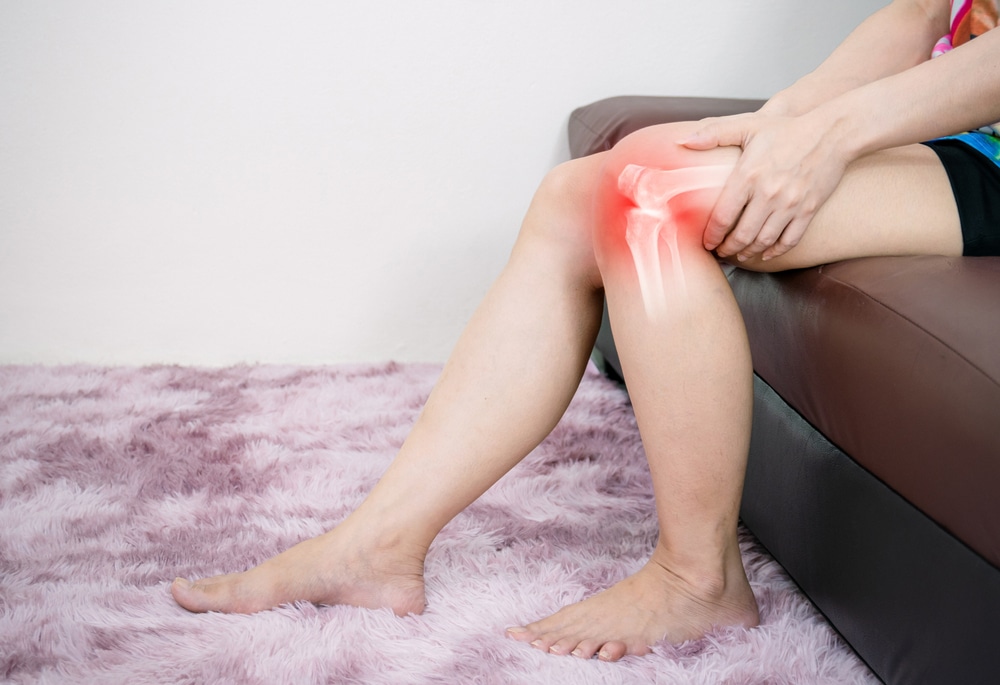
One of the most common injuries an orthopedic sports medicine surgeon treats are Anterior Cruciate Ligament (ACL) tears. Although a majority of these injuries occur on the athletic field, we even see them occur in patients who may slip on the ice, performing occupational duties, or are playing with their kids in the backyard.
Not all ACL injuries are the same. Although some occur as single injuries, many have additional injuries to the meniscus, cartilage, bone and/or other ligaments. Most of these are visualized on MRI, but some abnormalities only become apparent at the time of arthroscopy, when your surgeon can directly evaluate these structures. For this reason treatments, both surgical and non-surgical, will vary by the presence or absence of these additional injuries, patient goals, level of activity, age, the ability to perform rehabilitation based on factors such as school or work demands. There are some patients who can function without their ACL and find success with Physical Therapy and/or bracing alone.
Patients who most benefit from surgical treatment are those who
· feel the knee is loose or unstable
· have a meniscus or ligament injury in addition to the ACL tear
· Are unable to regain motion or function even after swelling and bruising have subsided, and/or participate in high demand activities that place their knee at risk for future episodes of instability
If the patient and surgeon agree that surgical reconstruction is desired, the next discussion revolves around the type of graft needed to reconstruct the ACL, or in some cases, if a repair is possible. Graft choices for reconstruction include using your own tissue (autograft) or cadaver tissue (allograft). Most surgeons have a graft they have found success with in the majority of their patients, but individuals needs and goals will help guide graft choice.
These procedures have improved significantly over the years. Developments in surgical techniques and implants, anesthesia, and post-op rehab have made the procedure more successful, allowed same-day outpatient procedures, reduced post-operative pain and risk of complications, and time needed to return to daily activities such as school or work.
Returning to sports participation varies based on each patient’s goals and particular sport. Most patients require 6-9 months or rehab/training to return to activities that require high intensity pivoting, cutting or deceleration.
These are some important questions to ask in a discussion with your surgeon before deciding on course of treatment:
· Do I need preoperative PT to restore range of motion and strength?
· Do I have other structures injured that will affect my outcome?
· What graft would you recommend and why?
· How will you secure my graft or repair in terms of implants?
· What conditions can occur after surgery that will slow my recovery?
· How will you treat any injured structures that you find at the time of surgery, and how will those effect my recovery?
· Where will the procedure be performed?
· Can you recommend a physical therapist?
Summary
ACL tears are among the most common injuries treated by orthopaedic sports medicine surgeons and can occur both on the athletic field and during everyday activities. Because every ACL injury is different, treatment decisions depend on many factors including the presence of additional injuries, a patient’s activity level, goals, and ability to participate in rehabilitation. While some patients can successfully manage an ACL tear with physical therapy and bracing, others benefit from surgical reconstruction to restore knee stability and prevent future injury. Advances in surgical techniques, rehabilitation, and postoperative care have greatly improved outcomes, allowing many patients to safely return to work, daily activities, and sports. An open discussion with your surgeon about treatment options, graft choices, and recovery expectations can help ensure the best possible outcome for your individual situation.