

If you’ve ever experienced a painful bump on the side of your big toe, you may be dealing with a bunion. Imagine struggling to find comfortable shoes, wincing with every step, or feeling embarrassed by the noticeable protrusion on your foot. Bunions can affect your daily life, making even simple activities like walking or standing uncomfortable.
At OIBOrtho, patients across Edison, Red Bank, Freehold, Wall, Brick, Toms River, Lacey, and Manahawkin receive care from a team of board-certified orthopaedic surgeons and foot and ankle specialists with advanced training in diagnosing and treating complex conditions.
Our board-certified foot and ankle specialists, Dr. Meagan Coleman, Dr. Shane M. Hollawell, and Dr. James R. Polowczyk, bring deep clinical experience to foot care.
What Are Bunions?
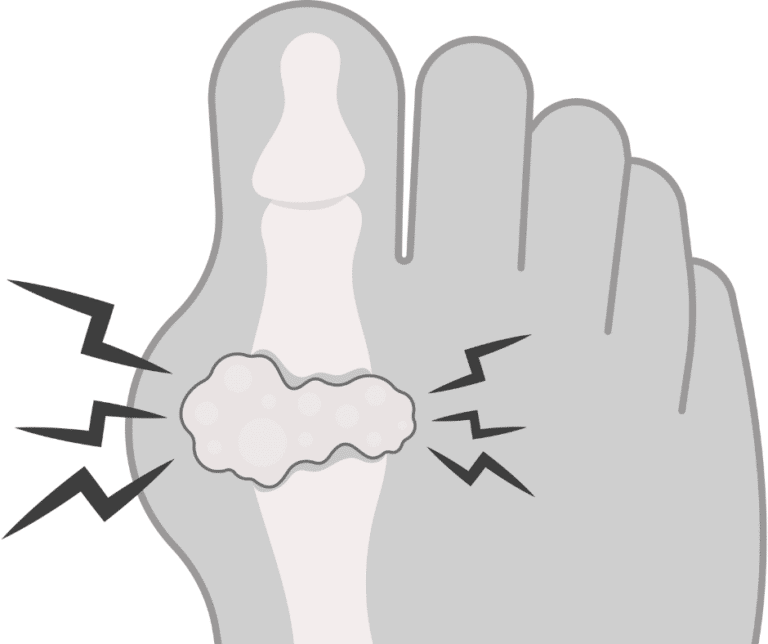
A bunion is a bony bump that forms at the base of the big toe on the side of the foot. It develops when the bones in the front part of your foot shift out of place, causing the tip of your big toe to pull toward the smaller toes. Over time, this misalignment pushes the joint at the base of the big toe outward, creating the characteristic bump.
In some cases, the area becomes swollen, red, and painful, making everyday activities like walking or wearing shoes uncomfortable. Bunions can vary in size, and while some may remain small and manageable, others can grow large enough to cause significant discomfort and impair mobility.
What Causes Bunions?
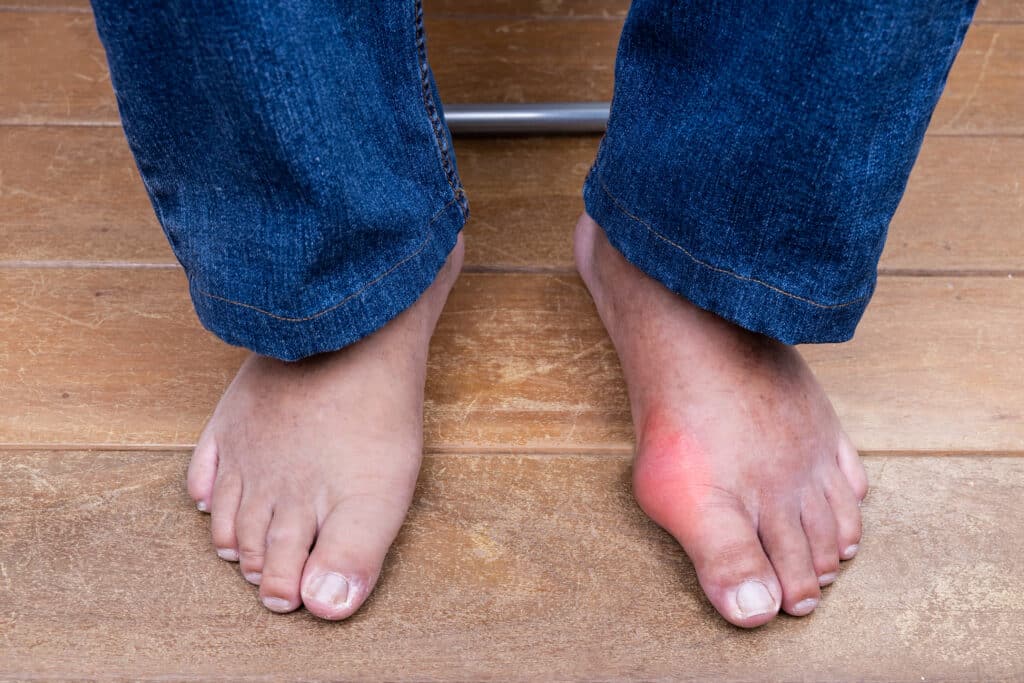
Bunions develop for various reasons, but they typically result from a combination of inherited structural foot problems, lifestyle factors, and wearing tight or poorly fitting shoes.
Some common causes include:
- Genetics: You can be more likely to have bunions if your parents or grandparents had them. This is due to inherited foot shapes, like flat feet or overly flexible joints.
- Footwear: Wearing narrow, tight, or high-heeled shoes that crowd your toes forces the bones of your feet into unnatural positions. Over time, this pressure contributes to bunion formation.
- Foot Injuries: Previous trauma or injuries to the foot can alter its structure and increase the risk of bunion development.
- Arthritis: Inflammatory conditions such as rheumatoid arthritis can cause joint damage, which increases the likelihood of bunions forming.
- Flat Feet or Overpronation: These conditions put extra pressure on the front part of the foot, leading to structural changes.
How Do Bunions Form?
Bunions form slowly over time as pressure on the foot causes the bones to shift out of alignment. This pressure may come from years of wearing shoes that pinch the toes together or from other structural issues like flat feet. The misalignment leads to the joint at the base of the big toe protruding outward, resulting in a visible bump.
The bump may worsen as the big toe continues to angle toward the smaller toes. This misalignment can also affect how you walk, putting even more strain on the foot, which exacerbates the problem.
Why Do Bunions Hurt?
Bunions hurt for a few reasons. The surrounding tissues become irritated as the joint becomes misaligned and the bump forms. The constant friction against shoes can cause inflammation, redness, and swelling. Over time, the joint itself may develop arthritis, causing even more pain.
Because bunions are located on a critical weight-bearing joint, they can cause discomfort with every step. The misalignment also places extra pressure on other parts of the foot, which can lead to pain in the ball of the foot, arches, or even the ankle.
Home Treatments for Bunions
If you have a bunion that isn’t severe, there are several ways to manage the symptoms at home and prevent further progression:
- Change Your Shoes: Wear comfortable, wide-toed shoes with a low heel and plenty of space for your toes to move. Avoid narrow or high-heeled shoes, which put pressure on the bunion.
- Use Padding: Over-the-counter bunion pads can cushion the area and reduce friction from shoes.
- Ice the Area: Applying ice to a painful bunion can help reduce swelling and numb the area, providing temporary relief.
- Foot Exercises: Simple exercises, like toe stretches and strengthening exercises for the muscles around the big toe, can help keep the foot flexible and improve alignment.
- Anti-inflammatory Medication: Nonsteroidal anti-inflammatory drugs (NSAIDs) like ibuprofen can help reduce pain and swelling from your bunions.
Medical Treatments for Bunions
When home treatments aren’t enough to manage bunion pain, medical treatments may be necessary:
- Physical Therapy: For some, physical therapy can help alleviate symptoms by improving the strength and flexibility of the foot.
- Steroid Injections: Corticosteroid injections can temporarily reduce inflammation and relieve pain, though they do not correct the underlying issue.
- Custom Orthotics: A podiatrist may recommend prescription orthotics that are specifically designed to relieve pressure on the bunion and improve foot alignment.

When to See a Podiatrist for Bunions
It’s essential to see a podiatrist if your bunion becomes too painful to manage with home remedies or if it starts to interfere with your daily activities.
You should also seek medical advice if the bunion is getting more significant or if you’re experiencing symptoms like numbness, tingling, or difficulty moving the toe. A podiatrist can assess your situation and recommend appropriate treatment options. If you are concerned about your bunions or are experiencing any of these symptoms, please contact us to schedule an appointment with one of our podiatrists.
Bunion Surgery
If non-surgical treatments fail to bring you relief, bunion surgery may be needed to correct the deformity and alleviate your pain. Bunion surgery, also known as a bunionectomy, removes the bony bump and realigns the bones in the foot to restore normal structure.
There are several types of bunion surgeries, depending on the severity of the condition:
- Osteotomy: The surgeon cuts and realigns the bones in the foot to correct the bunion.
- Arthrodesis: This procedure involves fusing the affected joints to relieve pain and correct deformity.
- Exostectomy: This involves removing the bunion without realigning the joint, typically reserved for less severe cases.
Recovery Time for Bunion Surgery
Recovery from bunion surgery varies depending on the type of surgery you have and the severity of your bunion. Generally, the bones take about six to eight weeks to heal. During this time, you may need to wear a special shoe or boot to protect your foot and avoid putting weight on it.
It can take three to six months for you to reach full recovery, which includes returning to regular activities and wearing normal shoes. Physical therapy is sometimes necessary to help you regain strength and flexibility in the foot. Each situation is different, and it is important to speak with your doctor about your specific situation so you can receive a tailored treatment plan.
Is Bunion Surgery Worth It?
For many people, bunion surgery is worth it because it relieves pain, corrects the deformity, and improves mobility. However, it’s always important to weigh the benefits and risks. Surgery can help prevent the bunion from worsening and eliminate chronic pain, but there’s a risk of complications such as an infection, nerve damage, or the bunion returning.
Discussing your options with a podiatrist can help you decide whether bunion surgery is the right choice for you.
Can You Fix or Get Rid of Bunions?
Unfortunately, bunions won’t go away on their own, and non-surgical methods can’t make them disappear. However, you can manage and prevent symptoms from worsening with proper footwear, orthotics, and lifestyle adjustments.
Surgery is the only way to permanently remove a bunion and correct the underlying structural problem. While home treatments can alleviate pain and slow progression, they won’t reverse the bunion. If your quality of life is being severely affected, surgery may be the best option to provide long-term relief.
Although bunions are common, this painful foot condition can interfere with your daily activities. While home treatments can help manage symptoms, more severe cases may require medical intervention or surgery.
Why Choose OIBOrtho for Bunion Treatment in New Jersey?
At OIBOrtho, you receive care from a team of board-certified orthopaedic and foot and ankle specialists. Providers like Dr. Meagan Coleman, a fellowship-trained foot and ankle surgeon, bring advanced training and a strong academic background, while Dr. Shane M. Hollawell contributes decades of surgical experience, national lecturing, published research, and leadership in foot and ankle education. Dr. James R. Polowczyk brings additional expertise as a board-certified podiatrist specializing in comprehensive foot care.
Your experience is built around personalized treatment. Our team takes time to understand your symptoms, evaluate the root cause of your bunion, and walk you through every option, from conservative care to surgical correction when needed. With access to modern diagnostic tools and a collaborative approach that includes specialists across orthopaedics, sports medicine, and pain management, you receive well-rounded care focused on long-term relief and function.
Frequently Asked Questions
Are Bunions More Common in Men or Women?
Bunions are more common in women. This is often linked to footwear choices, especially shoes that are narrow or have a tight toe box. High heels and fashion shoes can place added pressure on the front of the foot, which contributes to the development and progression of bunions over time.
At What Age Do Bunions Typically Start to Form?
Bunions can begin to form in early adulthood, but they often become more noticeable and symptomatic later in life. Some people develop them in their teens due to inherited foot structure, while others may not experience symptoms until their 40s or 50s as the condition gradually worsens.
Can Bunions Lead to Other Foot Problems If Left Untreated?
Yes, untreated bunions can lead to additional foot issues. These may include hammertoes, calluses, corns, and pain in the ball of the foot due to uneven weight distribution. Over time, the misalignment can also affect how you walk, which may contribute to discomfort in other areas, such as the ankles or knees.
Are There Specific Activities That Make Bunions Worse?
Activities that place repeated pressure on the front of the foot can worsen bunions. This includes prolonged standing, walking long distances, running, or wearing tight or unsupportive shoes during activity. High-impact movements or anything that crowds the toes can increase irritation and discomfort.
Will Wearing Orthotics Stop a Bunion from Getting Bigger?
Orthotics can help slow the progression of a bunion by improving foot alignment and reducing pressure on the joint. They can also relieve pain and improve comfort during daily activities. However, they will not reverse or fully stop the bunion from developing, as the underlying structural changes in the foot remain.
Get Back to Comfortable Movement
With the right bunion care, you can find relief and regain confidence in your mobility. The team at OIBOrtho is here to help you understand your options and choose a treatment plan that fits your needs, with convenient locations in Edison, Red Bank, Freehold, Wall, Brick, Toms River, Lacey, and Manahawkin.
To schedule an evaluation or learn more about your treatment options, call 732-800-9000 and connect with a trusted orthopaedic team serving communities across New Jersey.