
Pickleball is fun, social, and easy to start, which is exactly why so many adults are playing more often. The quick stops, pivots, lunges, and overhead shots can also put stress on joints and soft tissue.
If pain starts to interrupt your game, OIBortho offers sports medicine care in New Jersey from board-certified orthopaedic surgeons, sports medicine specialists, physical therapists, and orthopaedic doctors. Our team includes physicians who specialize in sports medicine and arthroscopy of the knee and shoulder.
Injuries Players Often Notice
Pickleball does not always feel intense in the moment, but the repetitive movement can add up. Many injuries come from sudden direction changes, overuse, poor footwear, limited warmups, or playing too many games without enough rest.
Common court-related injuries include:
- Ankle sprains from side-to-side movement
- Knee pain from lunging, pivoting, or stopping short
- Shoulder strain from repeated serves and overhead shots
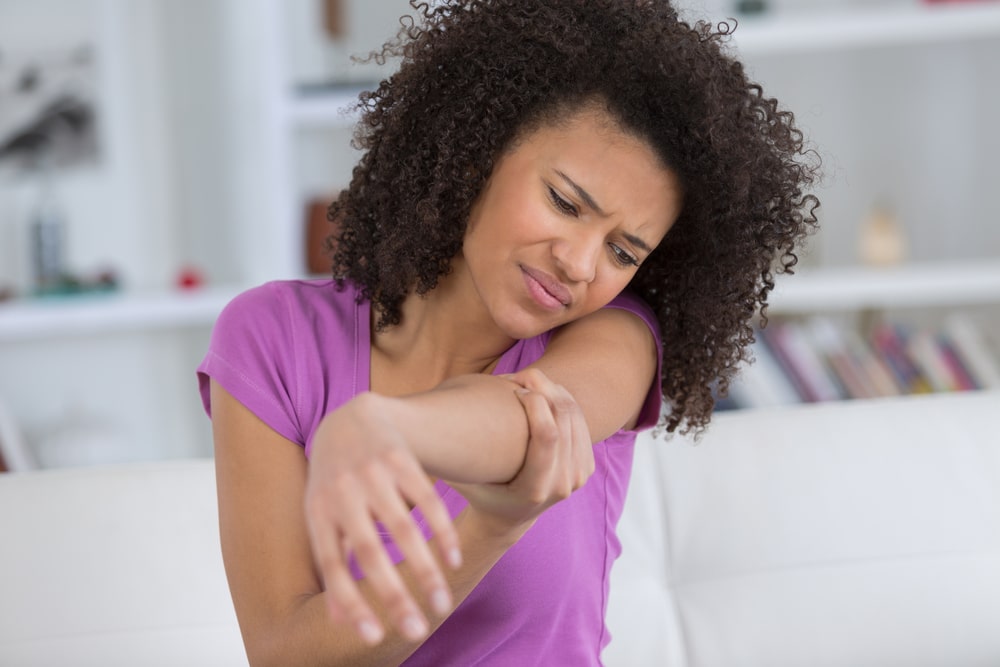
- Elbow irritation from gripping and swinging
- Wrist or hand pain from falls or repetitive paddle use
- Calf, hamstring, or quad strains from sudden bursts of movement
Because these injuries can involve different parts of the body, our sports medicine team may work alongside foot and ankle, knee, shoulder, elbow, or hand and wrist specialists when symptoms point to a more specific problem.
How To Lower Your Injury Risk
A better warmup can make a real difference. Before your first game, try light walking, gentle mobility work, and practice swings. Supportive court shoes are also important because court movement requires more side-to-side stability than running shoes usually provide.
Strength training can help, too. Stronger hips, thighs, calves, shoulders, and core muscles give your body better control during quick movement. Stretching after you play may reduce stiffness, especially if you are returning to the sport after time away.
Rest days count, especially when you are new to the sport or playing longer matches than usual. Playing several days in a row or pushing through sharp pain can turn a small irritation into a longer setback.
When Pickleball Pain Needs Care
Some soreness is expected after a hard match. Pain that is sharp, swollen, worsening, or still present after rest should be checked. You should also seek care for trouble bearing weight, loss of motion, visible swelling, weakness, or pain after a fall.
Depending on the injury, care may involve physical therapy, bracing, imaging, injections, or more advanced orthopaedic treatment.
Keep Playing With Less Pain
If a new injury is keeping you off the court, OIBortho can help players throughout Ocean County, Monmouth County, and nearby New Jersey communities. Visit our orthopaedic urgent care team after hours, contact us, or call 732-800-9000.