- Learn more about this technique offered by Dr. Lopez HERE!
Why Choose Dr. Wylie Lopez?
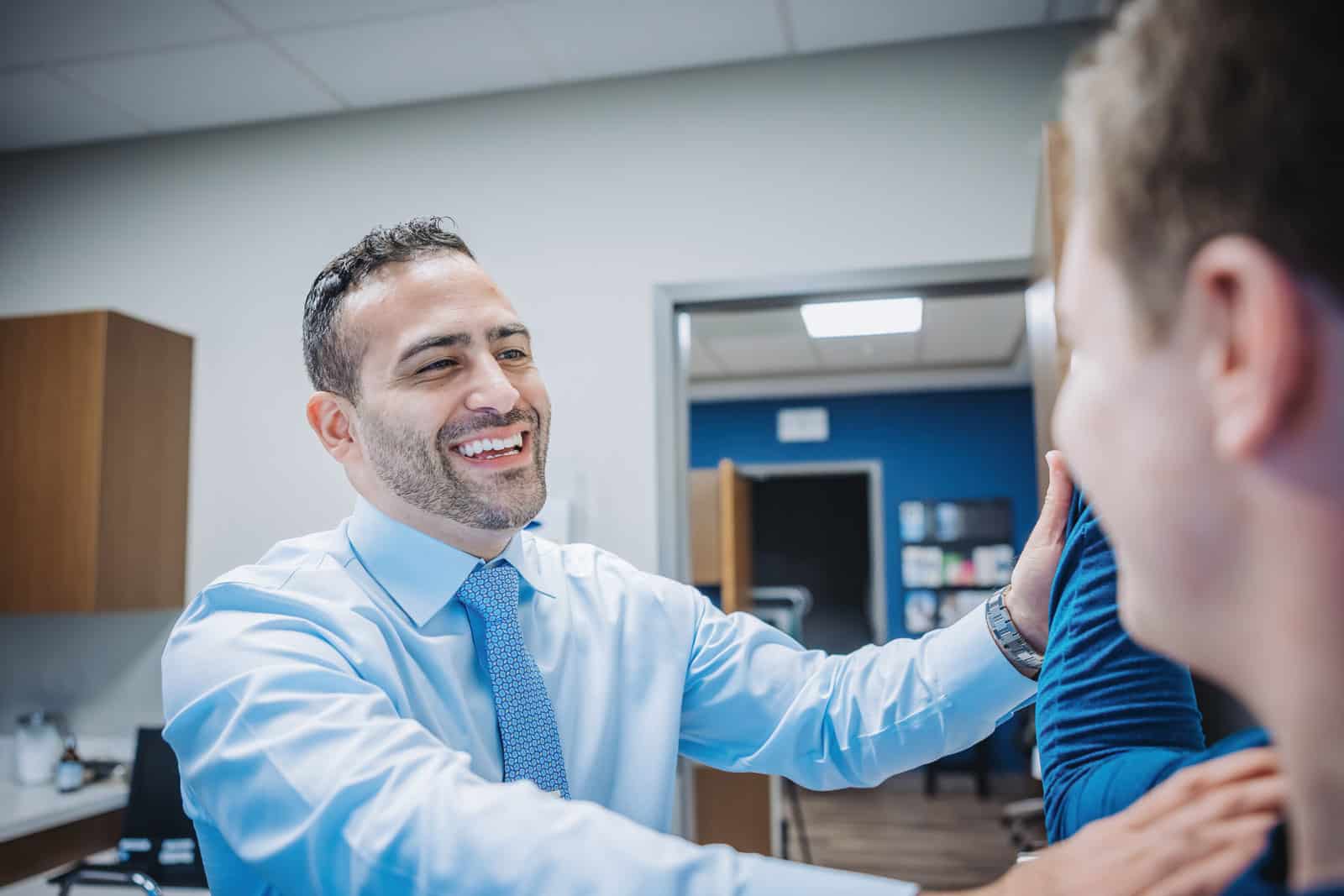
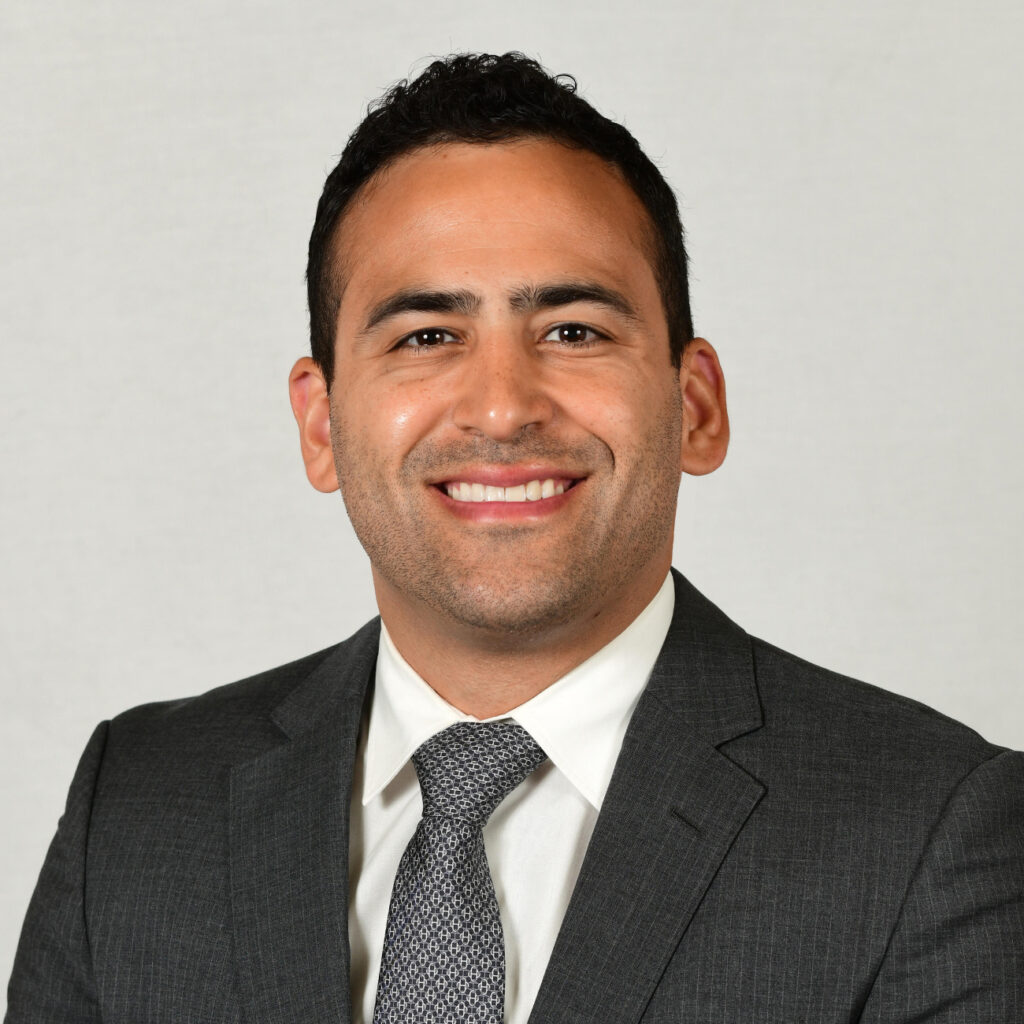
When back or neck pain begins to interfere with your daily life, choosing the right spine surgeon matters. Dr. Wylie Lopez is a board-certified orthopaedic spine surgeon specializing in minimally invasive and motion-preserving spine surgery. He completed his orthopaedic surgery residency through the Harvard Combined Orthopaedic Residency Program and advanced fellowship training in spine surgery at Rush University Medical Center, two of the nation’s leading institutions for orthopaedic education and innovation.
Dr. Lopez focuses on providing personalized, evidence-based care for every patient. He is highly trained in both traditional and advanced minimally invasive techniques, including endoscopic spine surgery and motion-preserving procedures that aim to reduce recovery time and preserve spinal function whenever possible.
Patients value his detailed explanations, calm approach, and commitment to helping them return to a more active, pain-free lifestyle.
Conditions Treated by Dr. Wylie Lopez
Dr. Lopez evaluates and treats a wide range of conditions affecting the cervical, thoracic, and lumbar spine. His goal is to accurately diagnose the source of pain and recommend the most effective treatment plan, whether surgical or non-surgical.
- Cervical herniated discs
- Cervical spinal stenosis
- Cervical radiculopathy (pinched nerves)
- Cervical myelopathy
- Degenerative disc disease
- Neck pain and stiffness
- Lumbar herniated discs
- Sciatica
- Lumbar spinal stenosis
- Spondylolisthesis
- Degenerative disc disease
- Chronic low back pain
- Facet joint arthritis
Complex Spine & Other Conditions
- Spinal fractures
- Spinal deformities (including scoliosis)
- Spinal instability
- Sacroiliac (SI) joint dysfunction
- Nerve compression disorders
Services & Procedures
Dr. Lopez offers a full range of advanced spine procedures, with a focus on minimally invasive and motion-preserving techniques whenever appropriate. His surgical expertise includes:
- Anterior Cervical Discectomy and Fusion (ACDF)
- Cervical Disc Replacement (CDR)
- Posterior Cervical Instrumentation and Fusion (PCIF)
- Cervical Laminoplasty
- Endoscopic Microdiscectomy
- Endoscopic and Traditional Laminectomy
- Endoscopic Far-Lateral Discectomy
- Anterior Lumbar Interbody Fusion (ALIF)
- Lumbar Disc Replacement (LDR)
- Extreme Lateral Interbody Fusion (XLIF)
- Spinal Fusion
Additional Procedures
- Sacroiliac Joint Fusion (SIJ Fusion)
- Kyphoplasty
These procedures are selected based on each patient’s specific condition, anatomy, and goals. Dr. Lopez prioritizes the least invasive option that will provide lasting relief and restore function.
Frequently Asked Questions (FAQs) About Spine Care
When should I see a spine specialist?
You should consider seeing a spine specialist if your neck or back pain lasts more than a few weeks, continues to worsen, or is accompanied by numbness, tingling, weakness, or pain traveling into the arms or legs.
What is minimally invasive spine surgery?
Minimally invasive spine surgery uses smaller incisions and specialized instruments to treat spine conditions while minimizing disruption to surrounding muscles and tissues. This often results in less pain and a faster recovery.
What is endoscopic spine surgery?
Endoscopic spine surgery is an advanced minimally invasive technique that uses a small camera and specialized instruments through very small incisions to treat certain spinal conditions. It may reduce tissue disruption and recovery time in appropriate patients.
Do all herniated discs require surgery?
No. Many patients improve with non-surgical treatments such as physical therapy, medications, injections, and activity modification. Surgery is typically reserved for persistent symptoms or nerve-related weakness.
What is spinal fusion?
Spinal fusion is a procedure that permanently connects two or more vertebrae to stabilize the spine and reduce pain caused by movement or instability.
How do I know if I need spine surgery?
Surgery is considered when conservative treatments fail or when nerve compression leads to weakness, numbness, or loss of function. Dr. Lopez carefully evaluates each patient to determine the best approach.
What is recovery like after spine surgery?
Recovery depends on the procedure performed. Many minimally invasive procedures allow for quicker recovery and earlier return to daily activities compared to traditional open surgery.
Can back pain improve without surgery?
Yes. Many spine conditions improve with physical therapy, medications, injections, and lifestyle changes without the need for surgery.
What causes sciatica?
Sciatica is commonly caused by irritation or compression of the sciatic nerve, often from a herniated disc or spinal stenosis in the lower back.
What should I expect during my first visit?
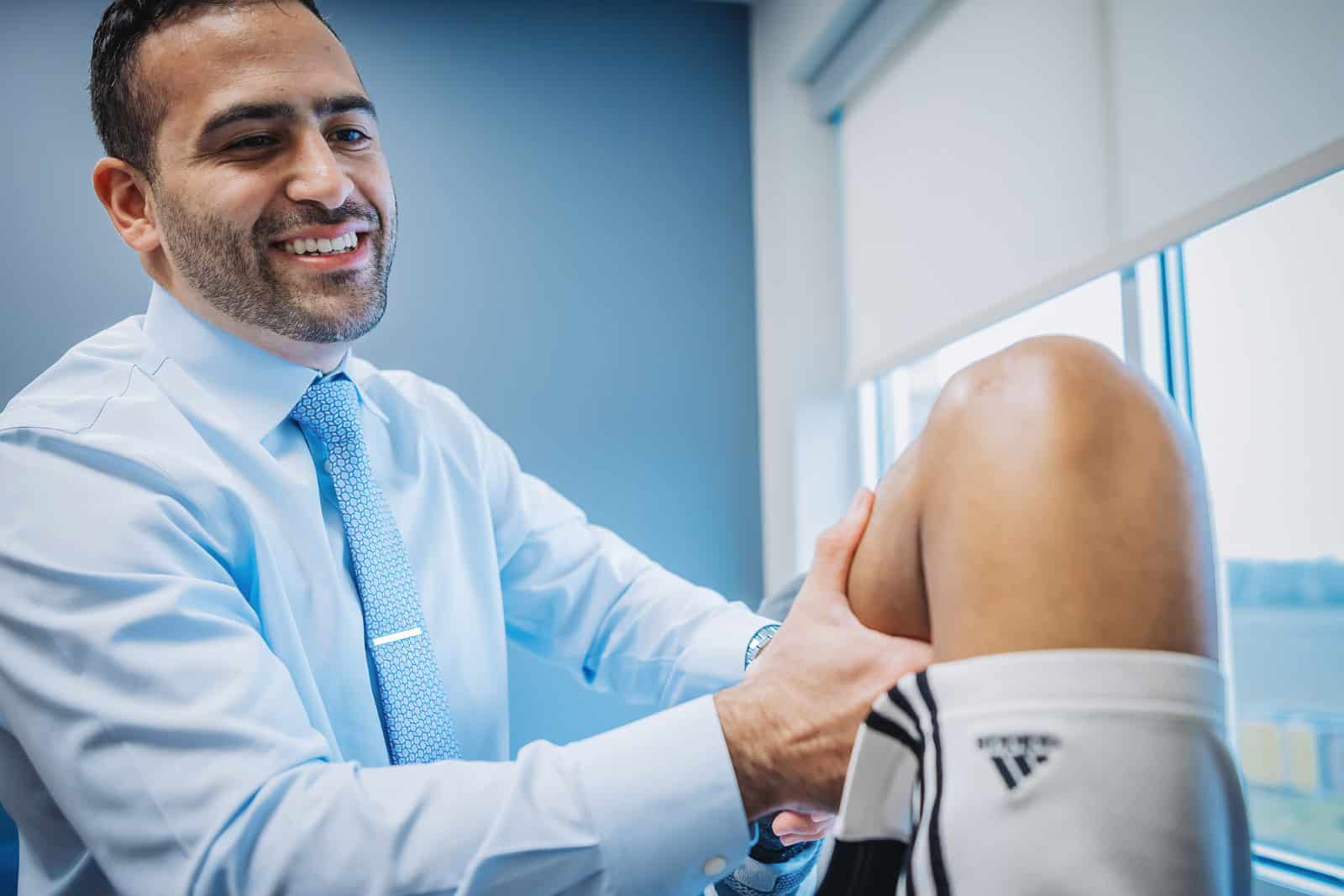
During your visit, Dr. Lopez will review your symptoms, imaging, and medical history, then discuss both surgical and non-surgical treatment options tailored to your condition.