
Orthopaedic treatment does not automatically mean surgery. Many injuries and painful musculoskeletal conditions can first be managed with conservative care, and some never require an operation at all. Our OIBortho non-operative orthopaedic care brings together rehabilitation, sports medicine, pain management, and other nonsurgical approaches for patients throughout Ocean and Monmouth Counties.
Which Orthopaedic Problems Can Be Managed Without Surgery?
Conservative treatment may be appropriate for many joint, muscle, tendon, ligament, nerve, and spine conditions. Examples include sprains and strains, overuse injuries, tendon problems, arthritis symptoms, back and neck pain, sciatica, and some sports injuries.
For active patients, our sports medicine team can evaluate injuries related to exercise and athletics. Symptoms involving the neck or back can also be managed through our spine care services.
What Does Non-Operative Treatment Include?
The right combination depends on the condition, how much it limits you, and how you respond to early treatment. Care may involve:
- Modifying painful activities
- Medication
- Bracing or other support
- Physical therapy
- Strengthening and rehabilitation
- Injections
- Image-guided procedures
- Pain management
Treatment can also vary by body region. Someone with a wrist problem, for example, may benefit from non-operative hand and wrist treatment, while another patient may need a different combination for a knee or spine condition.

Dr. Matthew Berlin, DO
Specializing in Physical Medicine and Rehabilitation (PM&R) and Pain Medicine
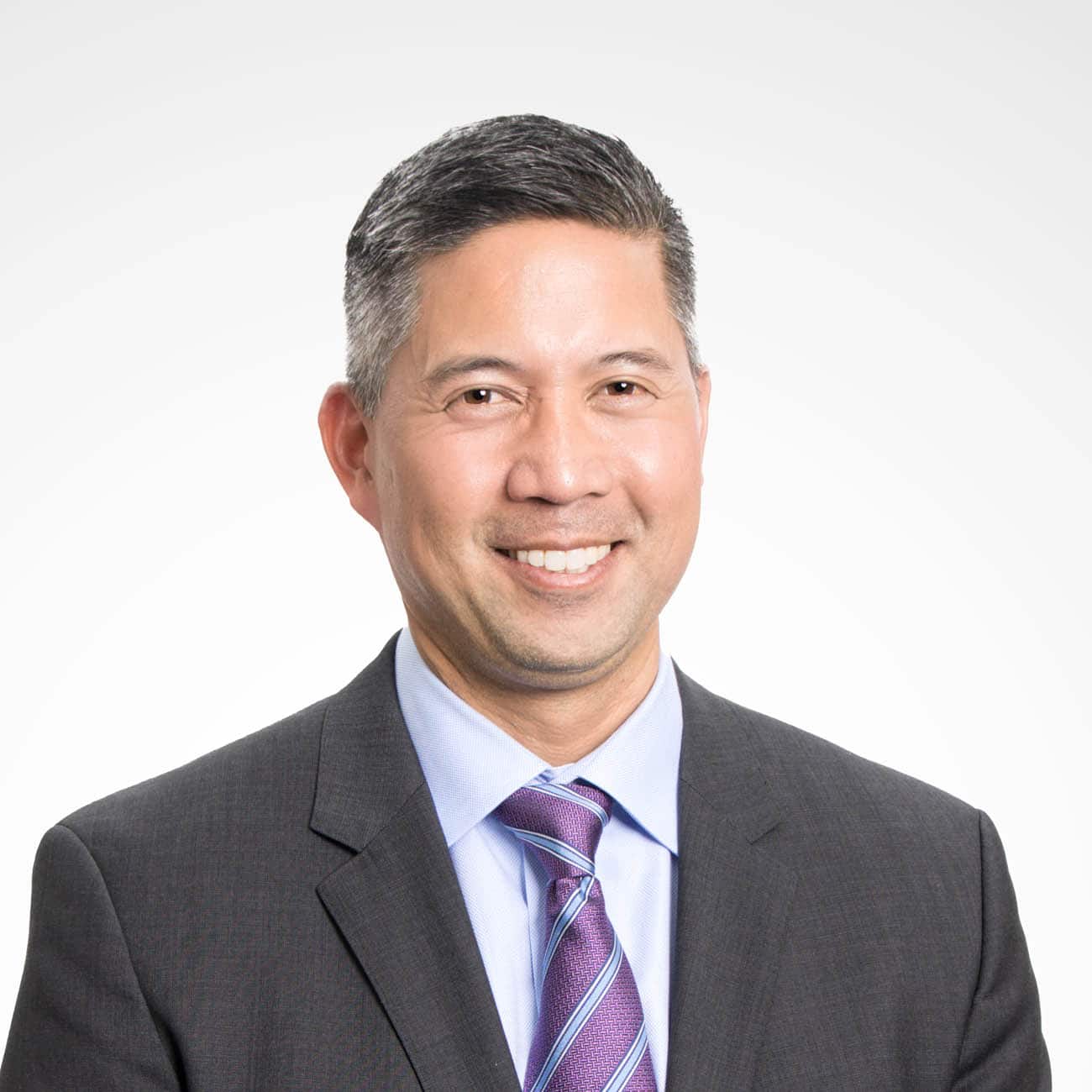
Raymond E. Esquieres, MD
Specializing In Physical Medicine & Rehabilitation

Laurie L. Glasser, MD, RMSK
Specializing in Sports Medicine, Physical Medicine and Rehabilitation, Electrodiagnostic Medicine, and Musculoskeletal Ultrasound

Peter G. Gonzalez, MD
Specializing in Sports Medicine, Physical Medicine, Rehabilitation, & Electrodiagnostic Medicine
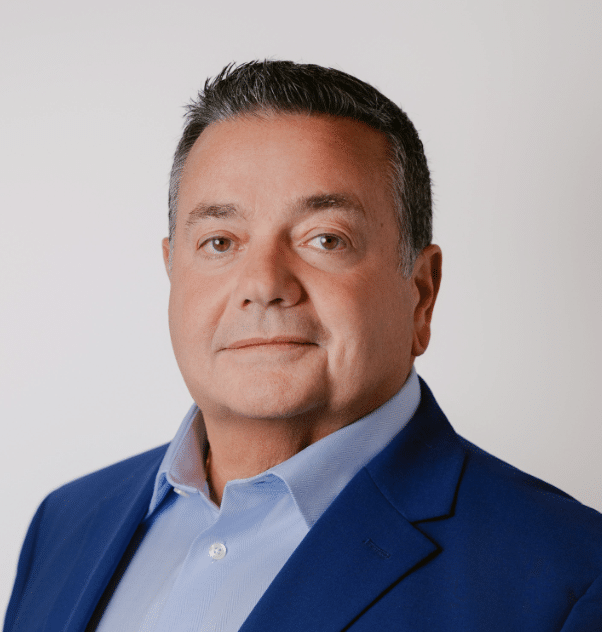
Peter A. Rienzo, MD
Specializing in Anesthesiology and Pain Medicine
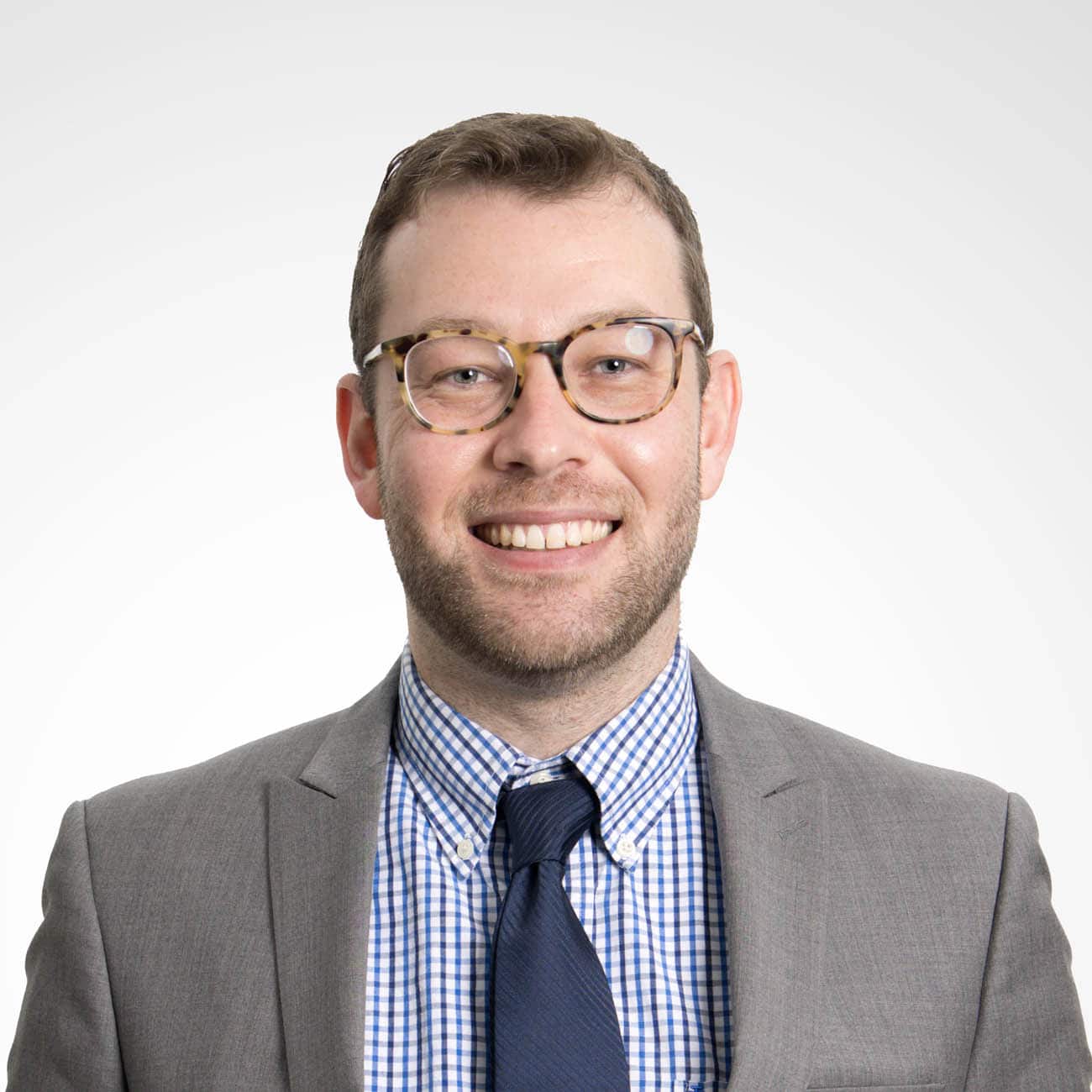
Daniel A. Sainburg, DO
Specializing in Physical Medicine and Rehabilitation (Pm&R) & Pain Medicine

How Does Conservative Care Progress?
Your physician first identifies the likely source of the problem and how severely it is affecting movement or daily activity. Early care may begin with changes in activity, medication, bracing, or rehabilitation.
If symptoms persist, the plan can be adjusted. That may mean changing therapy, considering an injection or other procedure, ordering additional testing, or involving another orthopaedic specialist.
The goal is not simply to avoid surgery. It is to use the level of treatment that makes sense for the condition.
When Is a Surgical Evaluation Appropriate?
Some injuries and conditions are better treated surgically from the outset. In other cases, an operation may enter the discussion after appropriate conservative care has not restored enough comfort or function.
Significant structural damage, instability, worsening neurologic symptoms, or continued difficulty with normal activities may lead to evaluation by an orthopaedic or spine surgeon.
Why Choose OIBortho for Non-Operative Orthopaedic Care in Ocean and Monmouth Counties?
Our team includes physicians and rehabilitation professionals from multiple orthopaedic disciplines. Patients can move from diagnosis to therapy, injections, sports medicine, spine care, or surgical evaluation within the same broader practice when their needs change.
That range allows treatment to evolve rather than forcing every musculoskeletal problem into the same pathway.
Frequently Asked Questions
Does Non-Operative Care Mean I Cannot Have Any Procedures?
No. Nonsurgical care can include office-based or image-guided injections and other procedures when they are appropriate for the condition.
How Long Should I Try Conservative Treatment?
There is no universal timeline. The diagnosis, severity of the problem, progress with treatment, and effect on daily function all matter.
Can Physical Therapy and Injections Be Used Together?
They can be part of the same treatment plan in certain situations. Your physician can determine whether combining approaches makes sense for your condition.
Can Sports Injuries Be Treated Without Surgery?
Many can. The type and severity of the injury determine whether rehabilitation and other conservative measures are appropriate.
What Happens if My Symptoms Get Worse?
A change in symptoms may prompt another examination, additional testing, a different treatment approach, or referral for surgical evaluation.
Explore Your Non-Surgical Treatment Options
If pain or an injury is interfering with the way you move, work, or stay active, an operation may not be your only option. Call OIBortho at 732-800-9000 or contact us to discuss non-operative orthopaedic care in Ocean and Monmouth Counties, NJ.