
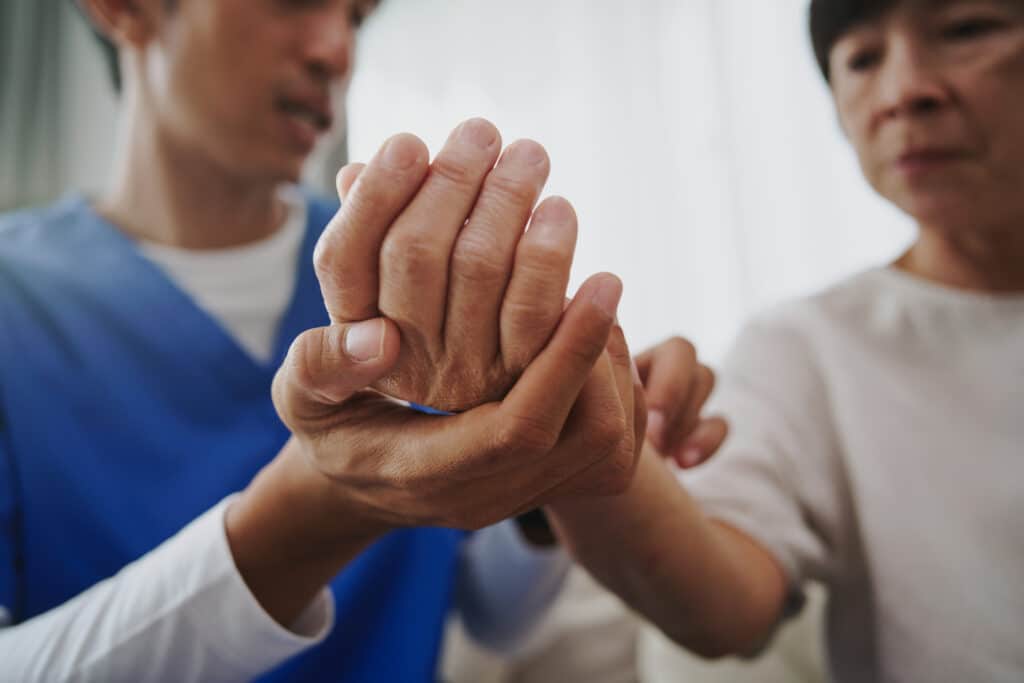
After an injury or operation, you may hear that therapy is part of recovery without knowing whether that means physical therapy, occupational therapy, or both. Our physical and occupational therapy team at OIBortho works with patients across New Jersey and stays in communication with our physicians and surgeons as rehabilitation progresses. The team includes licensed therapists as well as occupational therapists with Certified Hand Therapist credentials, bringing additional expertise to hand and upper extremity rehabilitation.
What Does Physical Therapy Help You Regain?
Physical therapy often centers on rebuilding strength, mobility, balance, flexibility, and comfortable movement. At OIBortho, physical therapists work with orthopaedic rehabilitation, pre- and post-surgical care, sports medicine, low back rehabilitation, spinal stabilization, and other musculoskeletal needs.
The goals depend on what has changed. After a knee or hip procedure, sessions might concentrate on walking, range of motion, and leg strength. Someone returning to athletics may spend more time on movement mechanics, control, and a gradual return to activity through sports medicine rehabilitation.
What Does Occupational Therapy Focus On?
Occupational therapy looks closely at how an injury or condition affects the tasks you need to perform in daily life. That can include dressing, writing, cooking, using tools, working at a computer, or handling job-specific demands.
This approach is especially relevant in hand and wrist rehabilitation, where grip, dexterity, coordination, splinting, and controlled use of the hand can make a meaningful difference in everyday function.
Why Might You Need PT, OT, or Both?
PT and OT can overlap, but they do not simply duplicate each other. A person recovering from joint replacement, for example, may work with a physical therapist on walking and lower-body strength while an occupational therapist helps make dressing, household tasks, or other routines easier during recovery.
Your plan depends on the injury or surgery, what you are currently having trouble doing, and what you need to return to. As your abilities change, the emphasis can change too. Regular communication between our therapists and medical team also keeps rehabilitation connected to your orthopaedic care.
Find the Right Support for Your Recovery
You should not have to guess which type of therapy fits your situation. If an injury, surgery, or ongoing orthopaedic problem is limiting how you move or manage daily tasks, contact us to speak with the OIBortho rehabilitation team in Central or South New Jersey. Call 732-800-9000 for appointment information.